
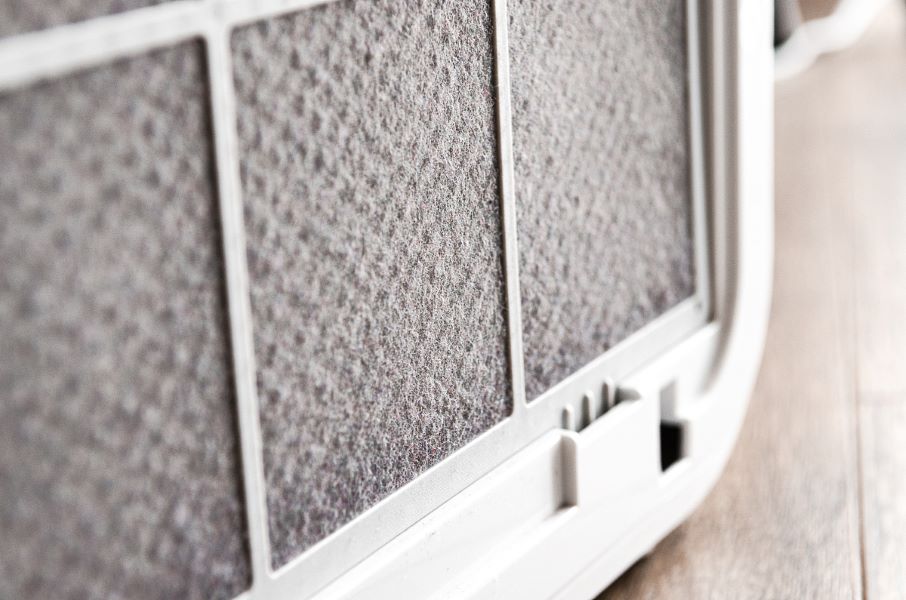
Outstanding Performance of HEPA Filters
HEPA (High-Efficiency Particulate Air) filters have become the gold standard for improving indoor air quality in homes, offices, hospitals, and other shared environments. True HEPA filters are engineered and independently tested to capture at least 99.97% of airborne particles as small as 0.3 microns — the most penetrating particle size. This includes dust, pollen, mold spores, pet dander, smoke, bacteria, and even some virus-laden particles. Such exceptional performance makes HEPA filters indispensable wherever clean, contaminant-free air is a priority.
Core Technology Behind HEPA Filters
At the heart of a HEPA filter is its melt-blown media: a dense, randomly arranged network of ultra-fine fibers that creates a complex labyrinth for air to pass through. As air flows through, particles are captured via interception, impaction, diffusion, and electrostatic attraction. These mechanisms allow HEPA filters to trap microscopic particulates that ordinary filters often miss, ensuring superior air purification.
Applications and Health Benefits
Thanks to their high efficiency and reliable performance, HEPA filters are widely used in air purifiers, HVAC systems, vacuum cleaners, cleanrooms, laboratories, and healthcare facilities where maintaining very low levels of airborne contaminants is critical. By significantly reducing common allergens and fine particulate matter, HEPA filters support respiratory comfort and overall indoor air quality — benefits that are especially valuable for individuals with allergies, asthma, or sensitivity to air pollution.
Low Maintenance and High Reliability
One of the practical advantages of HEPA filters is their low-maintenance nature. With proper installation and regular replacement according to manufacturer recommendations, HEPA filters can sustain high efficiency for months or even years, depending on usage and environmental conditions. True HEPA filters are designed to maintain high filtration efficiency while minimizing resistance to airflow, which helps preserve system performance and energy efficiency.
Limitations and Complementary Solutions
While HEPA filters excel at capturing particulate pollutants, they do not remove gases, volatile organic compounds (VOCs), or odors. For comprehensive air purification — particularly in environments with chemical pollutants or strong odors — HEPA filters are often paired with activated carbon or other specialized media to effectively address these additional contaminants.
Key Standards When Choosing HEPA Filters
When selecting a HEPA filter, it is important to choose one certified to meet true HEPA standards, such as those defined by the U.S. Department of Energy (DOE), EN 1822, or other reputable testing programs. Certification ensures that the filter has been independently verified to deliver the claimed efficiency and durability, providing a reliable benchmark for professional indoor air quality applications.
Conclusion: A Trusted Tool for Clean Air
HEPA filters remain one of the most effective tools for capturing airborne particles and improving indoor air quality. With their high efficiency, broad compatibility, and dependable performance, they offer a professional-grade solution for creating cleaner, healthier indoor environments. Whether for homes, offices, or healthcare facilities, HEPA filtration represents a proven strategy to safeguard air quality and support respiratory health.


