
Knowledge
KINGFA Solutions
Hand Protection
Respiratory Protection
Environmental Solutions
Industrial Protection
Filtering Material
Protective Apparels
Laboratory Solutions
Email:
kingfamed@kingfa.com
Address:
Guangdong, China
INQUIRY
Respiratory Protection
How to Properly Choose Respiratory Protective Equipment: Practical Guidelines and Recommendations
When selecting the appropriate respiratory protective equipment, several factors must be considered. These include the nature and concentration of respiratory hazards, the availability of oxygen in the work environment, the duration of exposure, and the specific needs of the user.
READ MORE
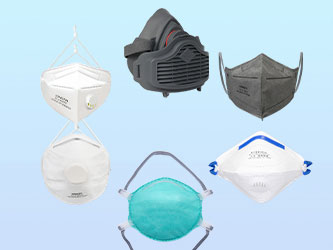
Nipah Virus Outbreak in India: With a Fatality Rate of Up to 75%, Is Your Mask Truly Protective?
According to The Independent, a cluster outbreak of Nipah virus has been reported in West Bengal, India, with confirmed cases under treatment in Kolkata and nearby hospitals and close contacts placed under medical observation.
READ MORE

Protect Against Rhinoviruses with Kingfa Medical Masks
Rhinoviruses are among the most common causes of respiratory infections. While most cases are mild, they can lead to more serious illness in higher-risk populations. Currently, there is no vaccine or specific treatment for rhinovirus infections, making prevention a key line of defense.
READ MORE
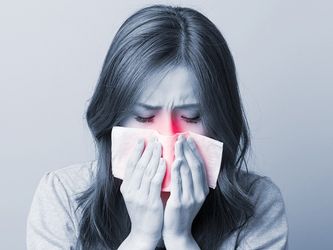
Choosing the Right Mask for Mechanical Work
In a mechanical context, workers are often exposed to a range of harmful airborne particles, dust, and chemicals that can cause respiratory problems.
READ MORE

What Make 28 Consecutive Successful Tests of KINGFA MEDICAL's Face Masks in Europe?
Kingfa Medical, established in 2020, entered the face mask production industry with a focus on innovative materials and high-quality standards. Our masks exceed global certification requirements, with advanced filtration efficiency, low resistance, and enhanced breathability. With proprietary technologies ensuring superior protection, comfort, and reliability, Kingfa Medical definitely becomes a trusted choice for governments and leading enterprises worldwide.
READ MORE

Breathe Safe This Flu Season with Kingfa Medical Face Mask!
In today's world, masks have become our first line of defense for personal health. Especially during periods of high air pollution, flu season, or respiratory disease outbreaks, choosing a mask that truly works is more important than ever.
READ MORE
SUCCESS
You've successfully subscribed to our newsletter.
OK