
Gloves are a necessity for daily protection, industrial tasks and medical procedures.Yet many people only focus on size and quality when buying gloves, frequently overlooking the effects of different material types.
Are you troubled by these issues?
Your hands turn itchy and red after wearing gloves, and you later find out it’s an allergic reaction!
When cleaning greasy kitchen surfaces or handling raw meat, the gloves turn soft and swell in less than ten minutes, leaving your hands covered in oil.
For precision work, gloves dull your sense of touch and make it hard to apply proper force, slowing down your work efficiency.


If you are plagued by these problems, this article will reveal how to pick the right gloves based on your usage scenarios so that your gloves can perform their functions to the fullest.
Differences Between Nitrile and Latex Gloves
I. Material & Safety: Natural vs Synthetic
The fundamental difference between nitrile gloves and latex gloves lies in their material sources and allergy risks. Latex gloves are made from sap harvested from rubber trees. They boast great elasticity yet carry a high risk of triggering allergies. Containing natural latex proteins, latex gloves may cause skin redness, itching and other allergic reactions in around 8% to 12% of the population, making them unsuitable for long-term wear by people with latex allergies.
By contrast, nitrile gloves fall into the synthetic category. Manufactured from synthetic rubber (NBR) polymerized from acrylonitrile and butadiene, they feature excellent oil and abrasion resistance and contain no protein allergens, resulting in an extremely low allergy rate. They are ideal for sensitive skin.
For your selection reference: nitrile gloves are the top choice if you will be exposed to grease or if you have sensitive, allergy-prone skin. If you prioritize soft tactile comfort or need to carry out delicate work, latex gloves are a viable option.
II. Performance Showdown: Which One Has Better Durability?
Elasticity & Comfort
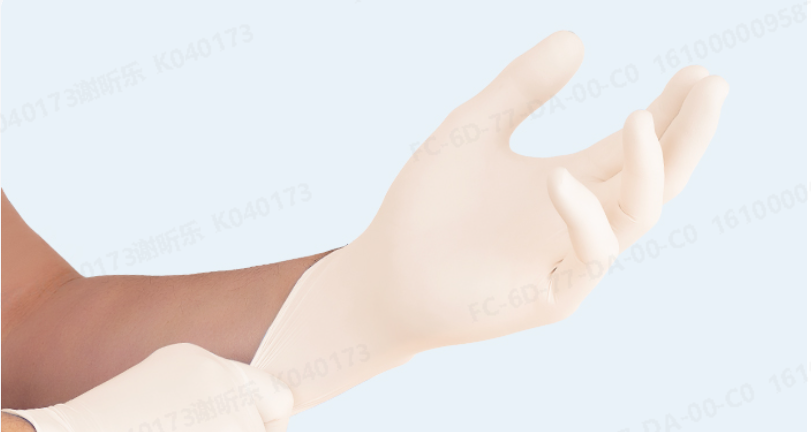
Latex gloves: They feature excellent elasticity, fit snugly to your hands, and feel soft and flexible, just like a "second skin". They are ideal for delicate tasks that demand high tactile sensitivity, such as surgical procedures, precision medical work and routine household cleaning.
Nitrile gloves: They are slightly less elastic than latex gloves and feel stiffer, but they offer superior abrasion resistance. Certain styles come with textured surfaces to prevent slipping.
Protective Capabilities
Latex gloves: They can withstand weak acids and alkalis, yet they tend to corrode and swell upon contact with oil and grease. Their puncture resistance and antistatic performance also lag behind nitrile gloves.
Nitrile gloves: They deliver outstanding resistance to oils and chemicals, and can effectively resist erosion caused by grease, acids, alkalis, solvents and other chemical agents. What’s more, their puncture resistance is generally 3 to 5 times that of latex gloves, offering stronger protection against sharp objects. They are perfect for handling thorny food materials or industrial parts. Free of silicone, nitrile gloves provide moderate antistatic effects, making them suitable for dust-free workspaces such as electronic processing workshops.
Appearance & Price
Color options: Latex gloves are mostly milky white or cream yellow; nitrile gloves are available in a wide array of colors including blue, purple and black, which helps users distinguish them for different uses.
Price: Thanks to its synthetic production process and upgraded functional performance, nitrile gloves normally cost more than latex gloves.
3 Handy Tips to Help You Choose and Use Gloves Properly
Storage requirements for both glove types: Keep them in well-ventilated and dry areas away from direct sunlight. Do not store nitrile gloves long-term in environments below -10°C, as they may turn brittle and crack.
Always check for valid compliance certifications: Opt for standard-qualified gloves for special scenarios such as medical use. Substandard products cannot deliver reliable protective effects.
There is no need to blindly pursue extra-thick gloves. Excessively thick gloves feel stiff and bulky, drastically reducing tactile sensitivity during operation and causing hand fatigue more easily after prolonged wear.
Match Gloves to Your Usage Scenarios – How to Choose Without Making Mistakes

There is no such thing as the absolute best glove—only the one that suits you best.
If you have special working scenarios, please feel free to contact us, and we will help you select products that better fit your demands:kingfamed@kingfa.com


