
Knowledge
KINGFA Solutions
Hand Protection
Respiratory Protection
Environmental Solutions
Industrial Protection
Filtering Material
Protective Apparels
Laboratory Solutions
Email:
kingfamed@kingfa.com
Address:
No.33 Kefeng Road, Science City, Guangzhou, Guangdong Province, China, 510663
INQUIRY
Knowledge
How to Choose an NC Membrane?
Kingfa Medical NC membranes offer superior batch-to-batch consistency, long-term stability, and high detection sensitivity, making them ideal for applications in immunochromatography, Western blotting, and nucleic acid testing. With advanced production facilities and stringent quality control, Kingfa's NC membranes ensure reliable performance, supporting rapid and accurate diagnostics in various fields such as infectious disease and tumor marker detection.
READ MORE
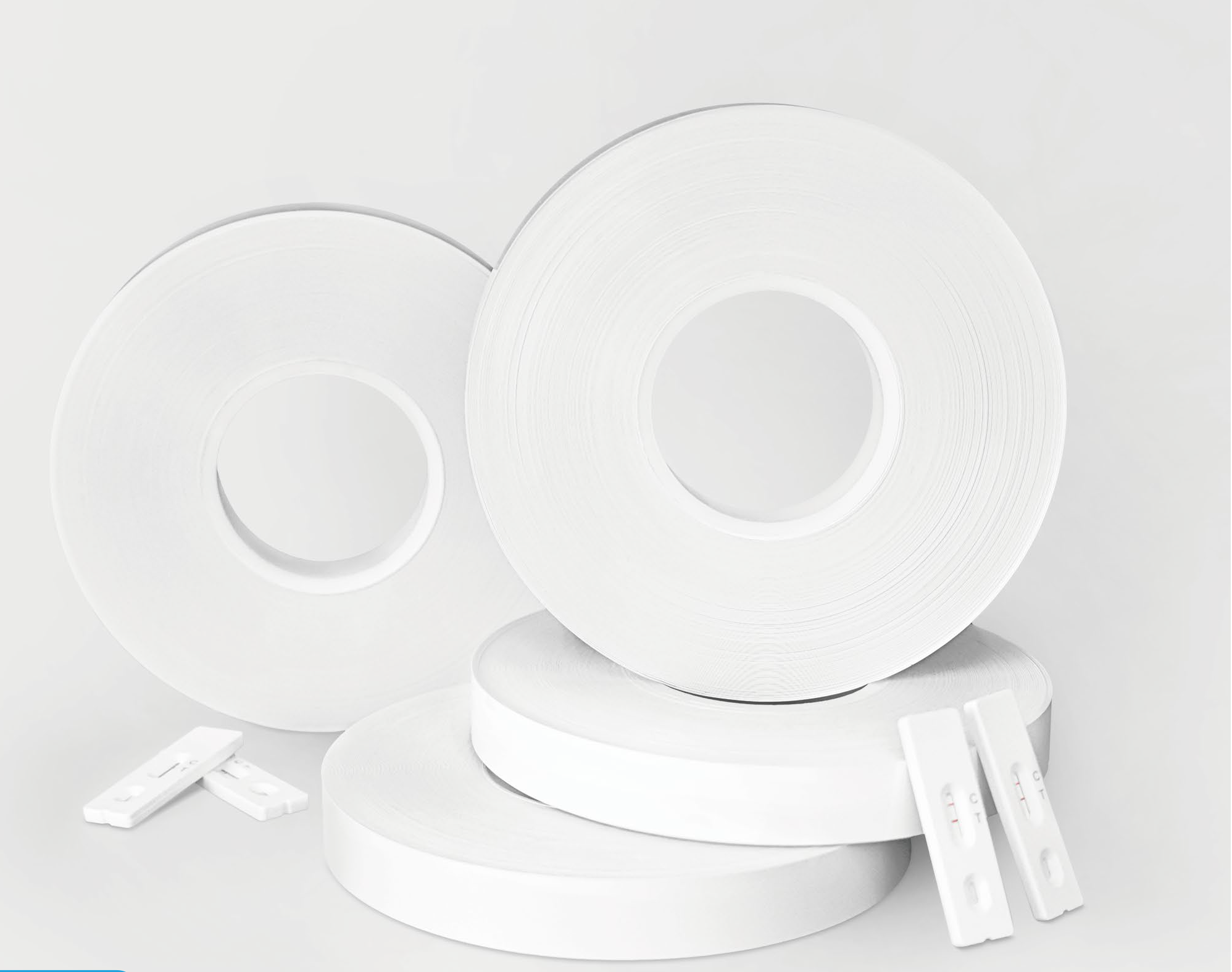
Independent Innovation in IVD NC Membrane: KINGFA Breakthrough in Critical Raw Material
Kingfa Medical has broken through technical barriers in NC membrane production, achieving domestic substitution with its self-developed nitrocellulose membrane. Featuring international advanced standards in uniformity and long-term stability, the membrane offers high protein binding capacity, a uniform microporous structure, and strict quality control ensuring batch-to-batch consistency. This innovation provides reliable solutions for immunodiagnostic reagents, bolstering domestic IVD competitiveness in the global market.
READ MORE
The Application of Nitrile Gloves in Dental Health-care Settings
In high-risk dental environments, effective infection control starts with precision protection. CDC guidelines mandate nitrile gloves for their superior barrier against pathogens and chemicals. This article explores how advanced nitrile gloves enhance tactile sensitivity in procedures from implants to pediatric care, while ensuring compliance with OSHA standards.
READ MORE

Congo (DRC) Mysterious Outbreak Claims 60 Lives! How to protect scientifically?
The deadly outbreak in Congo has resurfaced, protective measures should not be ignored, KINGFA MEDICAL helps you to safely deal with the unknown risks!
READ MORE

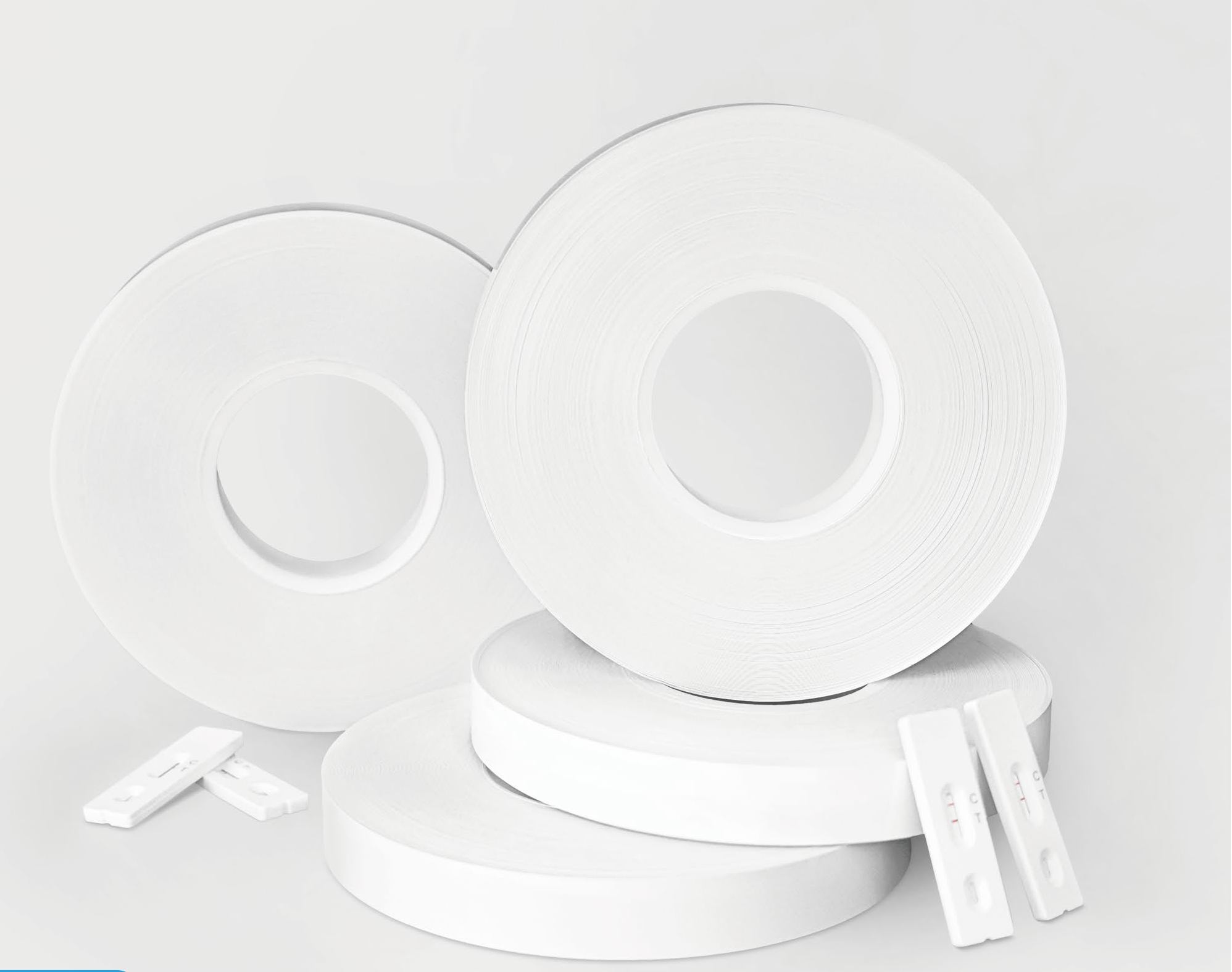
Hand Protection Guidelines for the Food Industry
Ensure food safety and prevent contamination with specialized nitrile gloves—cut-resistant, chemical-resistant, and hygienic. Ideal for food processing, packaging, and service, these solutions address biological, physical, and chemical risks while complying with hygiene standards. Protect workers, reduce cross-contamination, and uphold food quality. Trust industry-leading hand protection for safe food handling.
READ MORE
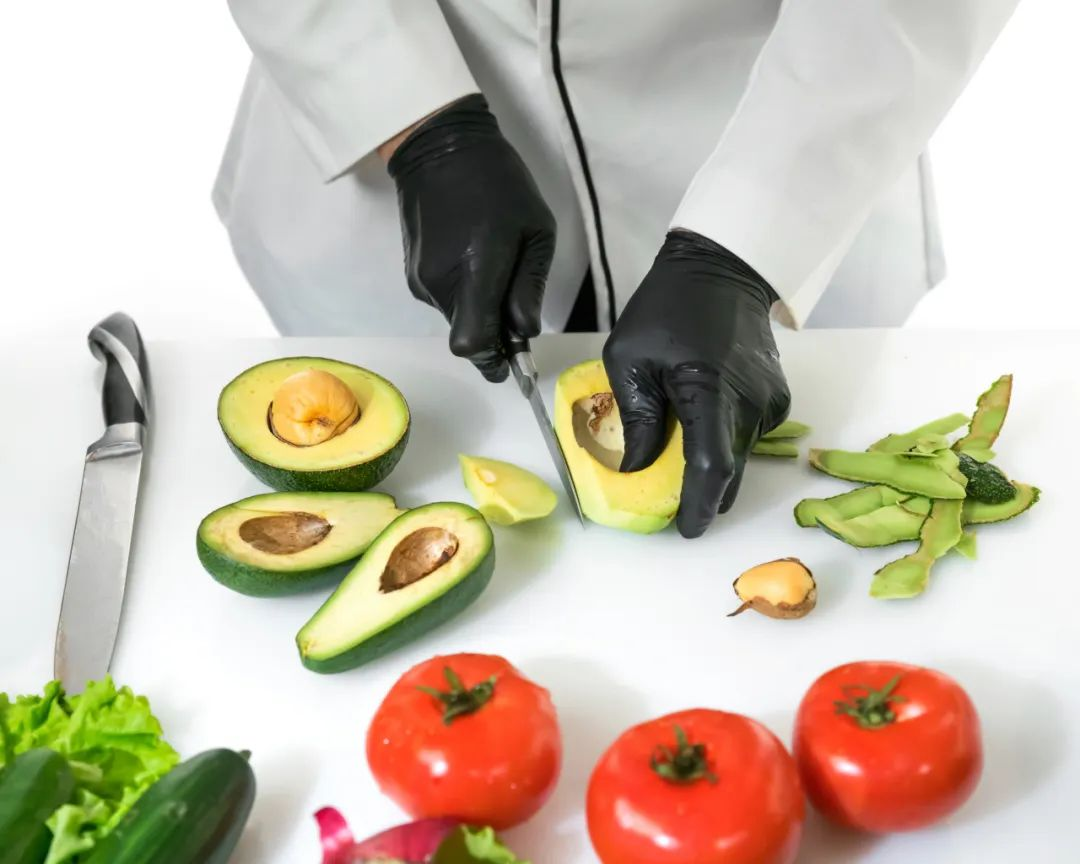
KINGFA MEDICAL: Leading Innovation and Quality in PPE Solutions
KINGFA MEDICAL drives innovation in PPE through cutting-edge electrostatic electret technology and eco-friendly biodegradable materials, offering high-efficiency, low-resistance masks and industrial gear. With stringent quality control, global certifications, and expanded medical/industrial applications, we solidifies leadership in safety and sustainability worldwide.
READ MORE
SUCCESS
You've successfully subscribed to our newsletter.
OK