
Knowledge
KINGFA Solutions
Hand Protection
Respiratory Protection
Environmental Solutions
Industrial Protection
Filtering Material
Protective Apparels
Laboratory Solutions
Email:
kingfamed@kingfa.com
Address:
Guangdong, China
INQUIRY
Knowledge
Rubber Gloves vs. Nitrile Gloves in Mechanical Applications
In a mechanical context, rubber gloves and nitrile gloves are both commonly used for hand protection. However, there are significant differences between the two materials that make them more suitable for different tasks.
READ MORE
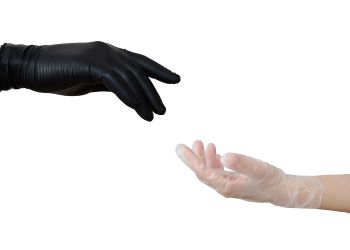
Top Glove Types and Their Applications in the Oil & Gas Sector
Hand injuries are one of the most common occupational diseases in the oil and gas industry. But what is the culprit for hand injuries? What kind of gloves are effective in eliminating injuries to workers in the oil and gas industry?Let's dive in!
READ MORE
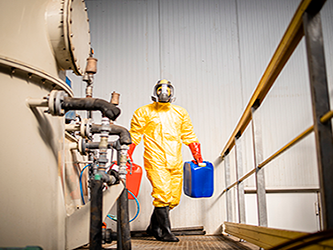
Q&A on KINGFA Biodegradable Nitrile Gloves
This detailed Q&A article explores KINGFA biodegradable nitrile gloves, highlighting their performance, sustainability, and key applications. Click to learn how KINGFA biodegradable nitrile gloves combine reliable protection with eco-friendly innovation.
READ MORE
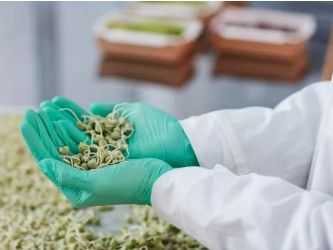
Sterile vs Non‑Sterile Gloves Explained: Features, Applications & Selection Tips
In medical and industrial fields, safety and hygiene are vital, and gloves play a key role. This article highlights the differences between sterilized and non-sterilized gloves, including features, uses, standards, packaging, and cost, to help you choose the right option.
READ MORE

KINGFA PBT Melt-Blown Filter Material:Features,Advantages and Applications
KINGFA PBT Melt-Blown Filter Material redefines high-performance filtration with exceptional heat resistance (120-140°C), chemical corrosion resilience, and hydrophobic-oleophilic properties. Ideal for demanding applications like industrial high-temperature filtration, oil-water separation, medical protection, and precision air purification, it outperforms traditional PP materials in harsh environments. Combining durability, efficiency, and versatility, this innovation drives sustainable advancements across industries.
READ MORE

The Role of Nitrile Gloves in the Electronics Industry: Applications & Benefits
Explore how nitrile gloves are used across key electronics manufacturing processes — from integrated circuit production to flat panel displays and silicon material fabrication. Learn about benefits, cleanroom requirements, and best practices.
READ MORE
SUCCESS
You've successfully subscribed to our newsletter.
OK