
Knowledge
KINGFA Solutions
Hand Protection
Respiratory Protection
Environmental Solutions
Industrial Protection
Filtering Material
Protective Apparels
Laboratory Solutions
Email:
kingfamed@kingfa.com
Address:
Guangdong, China
INQUIRY
Knowledge
What Make 28 Consecutive Successful Tests of KINGFA MEDICAL's Face Masks in Europe?
Kingfa Medical, established in 2020, entered the face mask production industry with a focus on innovative materials and high-quality standards. Our masks exceed global certification requirements, with advanced filtration efficiency, low resistance, and enhanced breathability. With proprietary technologies ensuring superior protection, comfort, and reliability, Kingfa Medical definitely becomes a trusted choice for governments and leading enterprises worldwide.
READ MORE

What is ASTM F2100-21 Standard? A Guide to Mask Certification Terms in the US Market
The ASTM F2100-21 standard defines the performance requirements for medical face masks in the US, ensuring their quality and safety. It covers key tests such as fluid resistance, bacterial filtration efficiency (BFE), and particle filtration efficiency (PFE).
READ MORE

EU Face Masks: Different Types, Applications, and Compliance Requirements
The EU market features various face masks, including surgical masks, FFP2/FFP3 respirators, and cloth masks, each offering different protection levels. This guide covers the types, standards, and applications of face masks available in Europe.
READ MORE

Advantages of KINGFA Gloves and Face Masks in Laboratory Applications
In chemical experiments, it is necessary to take various effective safety precautions.The proper selection and use of personal protective equipment such as gloves and face masks is essential to protect us from injuries.
READ MORE

What's the Process of Mask Quality Test Report (SGS)
Medical face masks are considered as medical devices and regulated by national medical device regulations. Regulations will define the legal obligations, to ensure that medical face masks provide the minimum level of protection against intended risks. Specific requirements by classification are cited in the referenced performance standards.
READ MORE

An Overview of KINGFA Melt-Blown Non-Woven Fabric
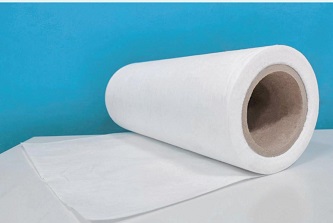
Melt-blown fabric, made of polypropylene, is the core material of face masks. With fiber diameters of 1-5 microns, its unique structure enhances filtration, shielding, thermal insulation, and oil absorption.
READ MORE
1 2
SUCCESS
You've successfully subscribed to our newsletter.
OK